Trade · Wine trade
A Partnership Rooted in Tradition
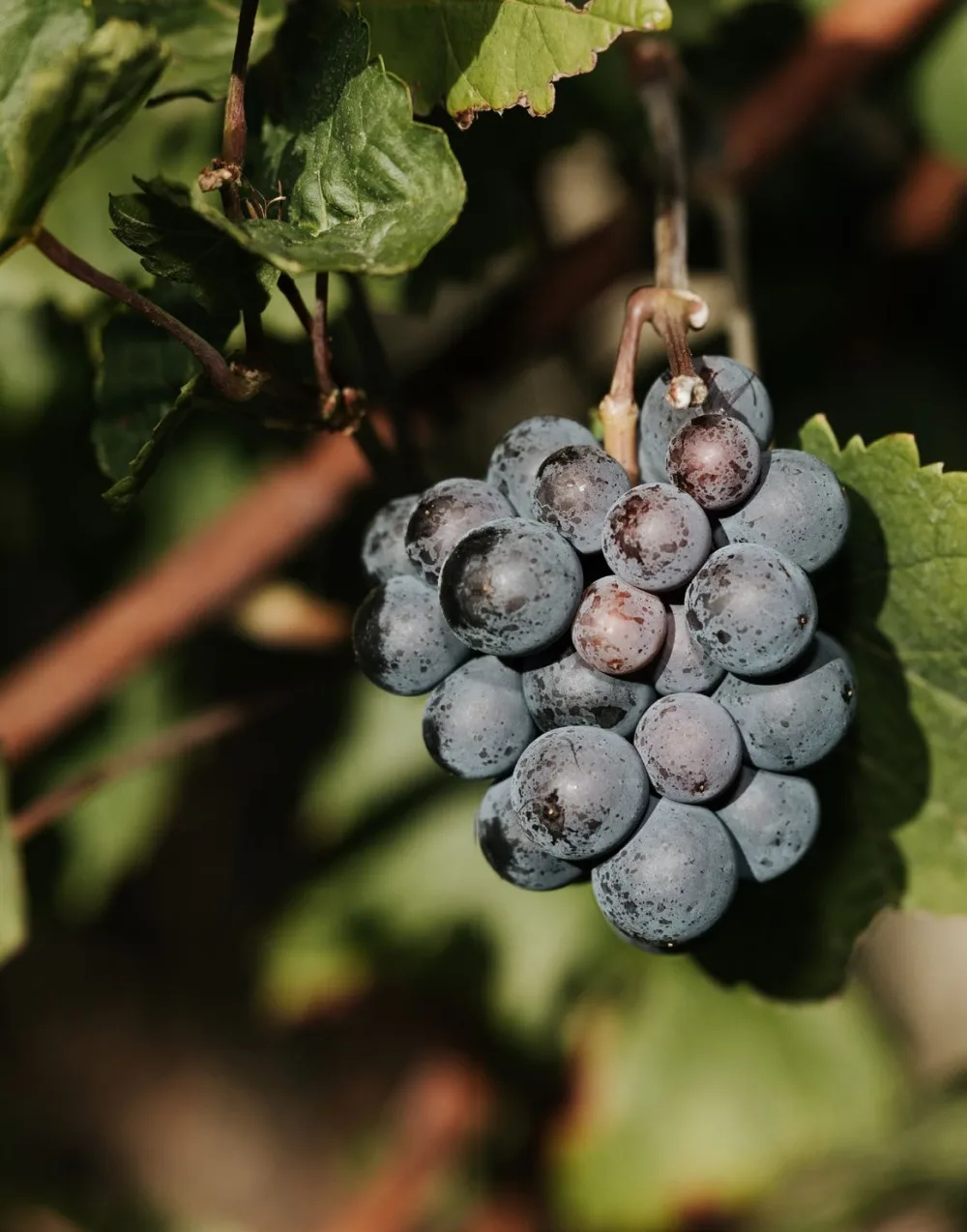
How Luxembourg’s wine trade shapes viticulture
Although Luxembourg’s wine-growing landscape is small compared to wine regions abroad, it nevertheless has many different facets. What many people do not know is that, alongside the Organization of Independent Winegrowers of Luxembourg (OPVI) and the winegrowers’ cooperative Domaines Vinsmoselle, there is a third major group on the Luxembourg Moselle: the wine trade.
They wear many different hats, as in addition to managing renowned wine estates, they also head the companies that shape Luxembourg’s wine trade. These include Isabelle Gales, who runs the family business Caves Gales, founded in 1916, together with her brother Georges as the fourth generation, and who also heads the Caves St Martin cellars and Caves Krier Frères in Remich; Marc Desom, a trained oenologist who has been managing the business activities of the family-owned Caves Desom since 2005 alongside his father Albert and his uncle Georges; and Antoine Clasen, who, as Managing Director of Bernard-Massard, Luxembourg’s largest privately owned, family-run producer of still and sparkling wines, also manages the partner wine estates Domaine Clos des Rochers and Domaine Château de Schengen.
The current structure of Luxembourg’s wine trade is the result of a long period of development. While several wine merchants once shaped the industry along the Moselle, the sector has become increasingly consolidated over the decades. Today, the three companies mentioned above make up the wine trade, forming an important pillar of Luxembourg’s wine industry. “For us, this is naturally an added value, as we can exchange ideas, advise one another and thereby gain a different perspective on the national and international markets,” explains Isabelle Gales, the association’s current president.
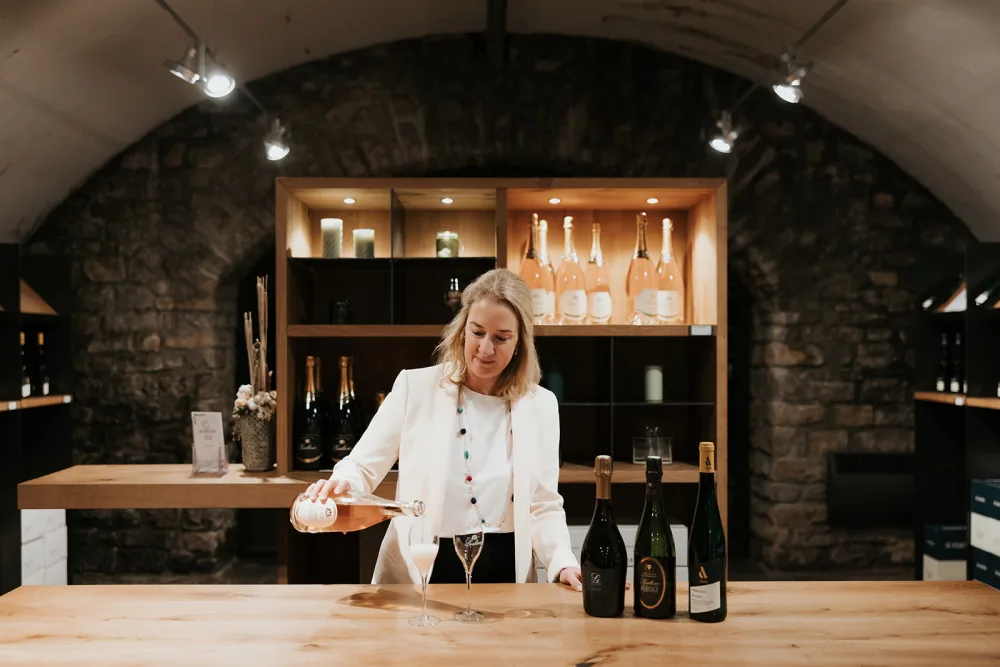
“For us, being part of the wine merchants’ association brings real added value. It allows us to exchange ideas, advise one another and gain a different perspective on both national and international markets.”
From Grape and Wine Exports to In-House Wine Production
Even before the Second World War, the wine trade played an important role in marketing Luxembourg wines. “Many wineries in Luxembourg were established after the First World War. Before that, Luxembourg was part of the German Customs Union, and a large proportion of Luxembourg’s grape must, and wine was sold to Germany. This continued until Luxembourg left the union in 1918 and people began processing grapes locally,” explains Antoine Clasen.
Indeed, Luxembourg’s withdrawal from the German Customs Union at the end of 1918 marked a significant economic turning point. The country’s wine industry had to reorient itself and gradually developed its own processing and marketing structures. The following decades were therefore characterized by change: from primarily exporting grapes to establishing a stronger domestic wine production industry.
Since 1946, the wine trade has been a reliable partner for numerous winegrowers who act solely as grape suppliers, leaving the processing and subsequent marketing of the finished wines to the merchants. “As soon as they have delivered their grapes to us, their part of the work is done,” explains Isabelle Gales.
For winegrowers, working with wine merchants primarily offers planning security, as the merchants commit to purchasing the entire agreed harvest. Grape prices are renegotiated annually, with a minimum price being established. Yields are also defined in advance.
One important difference compared to the early days of Luxembourg’s wine trade is that the former “maisons de négoce” no longer focus exclusively on winemaking and selling finished wines. They now also own vineyards themselves and are therefore familiar with every aspect of viticulture. “This gives us a different perspective on wine production and allows us to speak to our winegrowers on an equal footing,” says Isabelle Gales.
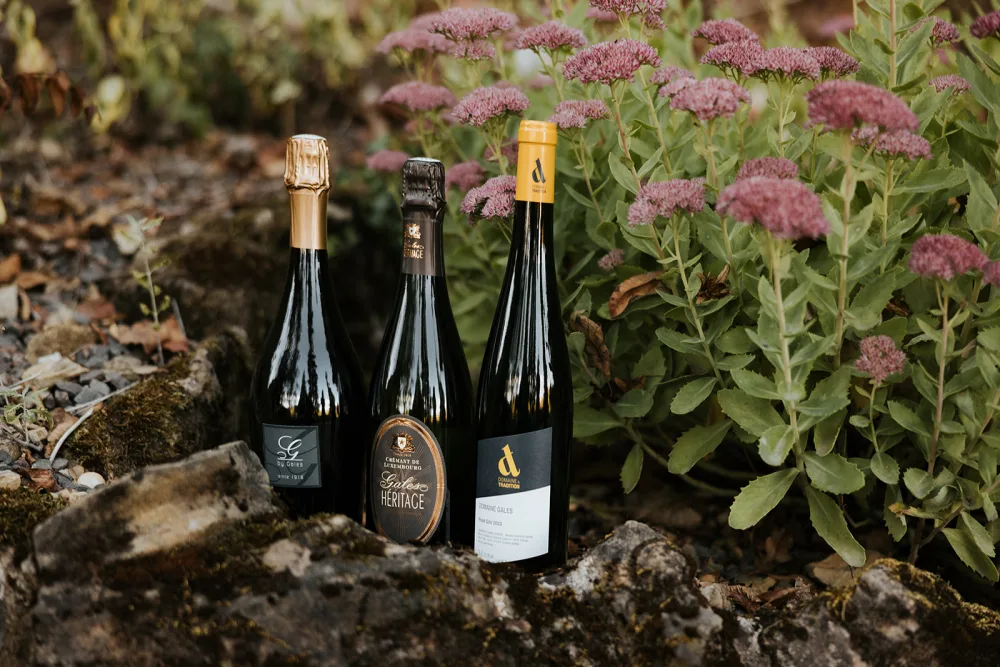
“The grapes we purchase may not come from our own vineyards, but our quality standards remain exactly the same. We want to work with the finest possible raw materials.”
According to the president, it is a model that works. Although merchants bear the commercial risk associated with selling the wines, they also benefit from the partnership, as purchasing grapes enables them to achieve a certain production volume. “Our three companies are also represented internationally, which means we depend on the grapes supplied by our winegrowers.”
Each merchant has its own suppliers and operates independently of the association’s other two members. The example of the Desom family demonstrates how grapes grown in a company’s own vineyards and those purchased from external producers can serve different purposes within the same business.
At Desom, the products are deliberately kept separate. Under the name “Domaine Desom”, the company markets wines produced from its own vineyards. Wines sold under the “Caves Desom” label, on the other hand, are made using both estate-grown grapes and grapes harvested by independent producers. “Our wines are truly exclusive products from our family’s own production. Caves Desom wines, however, can be recognized by their orange capsule,” explains the oenologist.
“Our wines are truly exclusive products from our family-owned production. The wines from Caves Desom, on the other hand, can be recognised by their orange capsules.”
Purchasing grapes gives the company the opportunity to expand its range. “For the sake of variety,” Marc Desom reveals. “At events and tastings, this allows us to offer additional products and present our customers and guests with a broader selection and more choice.”
The range of grape varieties also differs from one wine producer to another, making the winemaking process particularly interesting. “Depending on the terroir, soil and vineyard location, the grapes develop a completely different character.”
Trading is, in a way, in the family’s blood, as the company’s history originally began with a shop. “My great-grandmother ran a small grocery store in Remich. Many of her customers asked her where they could buy wine, so she started sourcing it and reselling it, mainly for export to Belgium at the time,” Marc Desom recalls.

“My great-grandmother ran a small grocery store in Remich. Many of her customers would ask her where they could buy wine. So she started sourcing wine to resell, mainly to Belgium at the time.”
What began as a small sideline gradually developed into an independent trading business, which the family now continues in its fourth generation. Today, however, the situation has reversed: “In the beginning, we were exclusively a wine trading company and did not produce any wines of our own. Today, trading accounts for only a small part of our overall business activities. Our focus is clearly on producing high-quality Luxembourg wines and Crémants.”
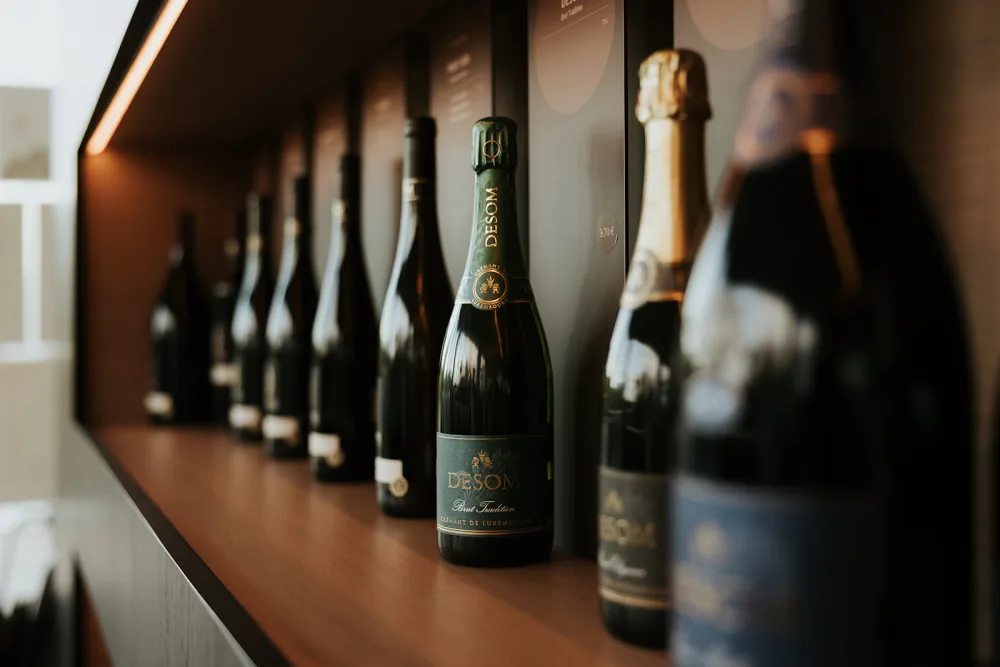
Bernard-Massard also appreciates the flexibility and opportunities offered by this business model. Antoine Clasen sees the long-standing relationships with grape suppliers as a particular advantage, as they allow the company to continuously develop its partnerships and help shape the selection of grape varieties.
“While more than 20 winegrowers used to supply us with grapes, this has now been reduced to a handful of larger producers. However, we have known them for a long time, and they are genuine partners we trust, with whom we can discuss everything, including which grape varieties we prefer.”
Quality and Trust as Common Ground
Regardless of how the individual wine merchants organise and market their products, they share the same commitment, as Isabelle Gales explains: “Although the grapes we purchase are not our own, our quality standards remain exactly the same, because ultimately, we want to work with raw materials of the highest possible quality.”
One aspect that is often misunderstood, according to Antoine Clasen, is that “wine trading does not mean importing wines from foreign estates, even though our company is also an importer. That, however, is a particular feature of Bernard-Massard.”
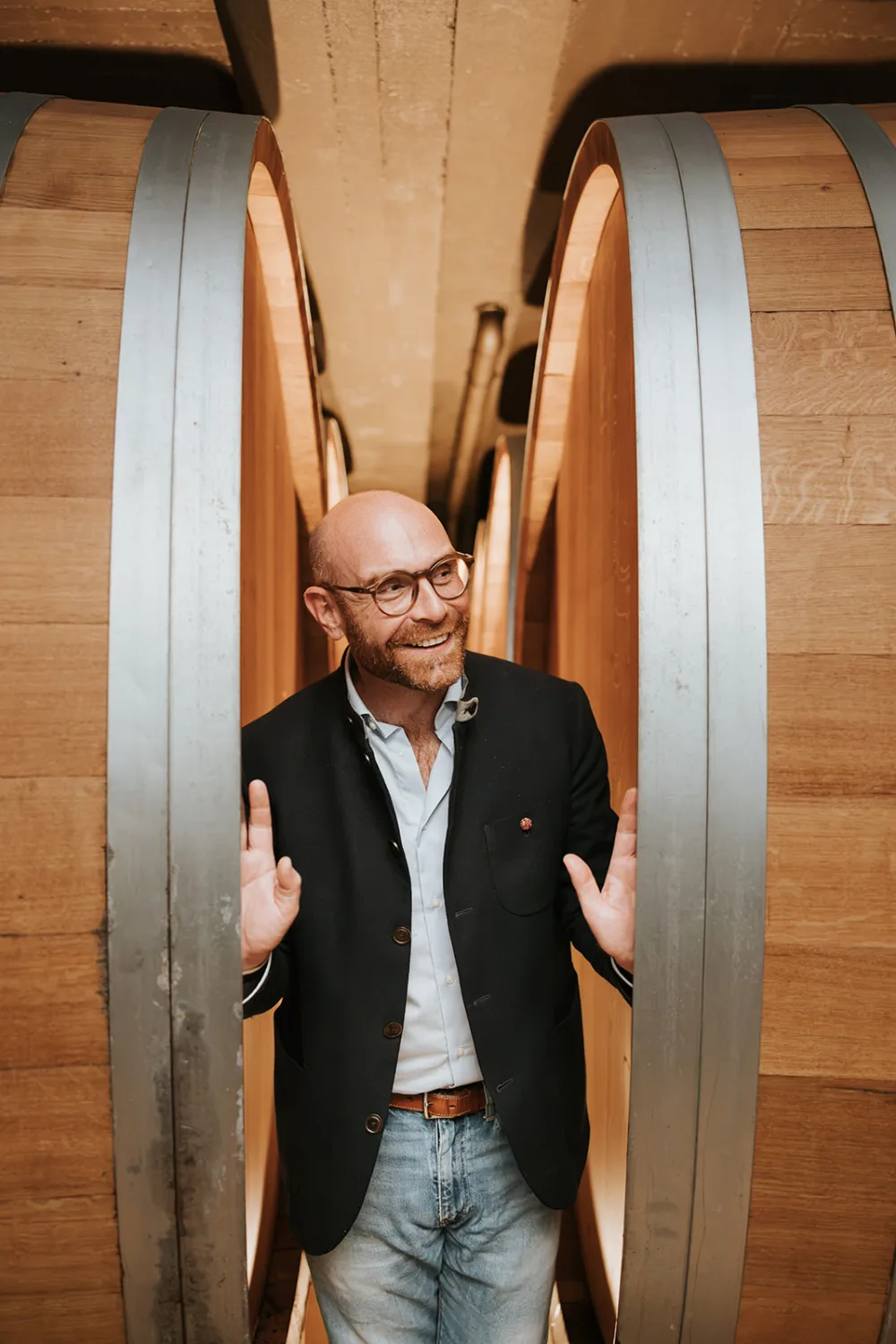
“Wine trading does not mean importing wines from foreign estates, even though our company is also an importer. That, however, is a particularity of Bernard-Massard.”
The Managing Director sees the responsibility of wine merchants primarily as guaranteeing customers consistent quality. Bernard-Massard considers itself first and foremost a brand that stands for precisely this quality of the finished product. According to Antoine Clasen, this is also more important to customers than knowing the exact origin of each grape.
“While more than 20 winegrowers used to supply us with grapes, today only a handful of larger producers remain. But we have known them for many years, and they are truly trusted partners.”
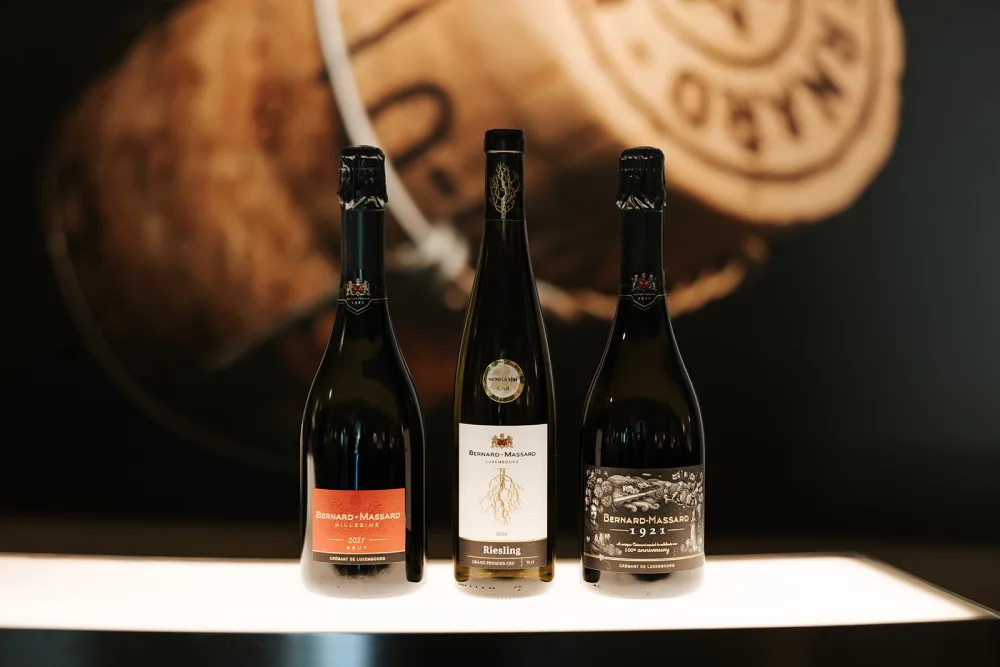
However different the business models of the three companies may be, collaboration with Luxembourg winegrowers remains an essential part of their corporate philosophy. Trust and quality are, and will continue to be, the fundamental foundations of a partnership that has accompanied Luxembourg’s wine industry for generations.
Because even when the grapes do not always come from their own vineyards, the resulting wines still bear the distinctive signature of each winery.